Opening up about my mental health is never easy, and that’s why social media rejection cuts so deeply. When I risk being vulnerable, digital rejection proves I was never safe to begin with.
When I share something raw, I don’t do it for attention — I do it to survive. And that’s why, when someone removes me from Facebook days later, it doesn’t feel small. It cuts deep. It feels like rejection all over again. For people with steady minds, maybe it’s “just” an unfriending. For me, it lands like a sucker punch and leaves me reeling.
The Weight of Social Media Rejection on Mental Health
I’ve been unfriended many times before, but some removals cut deeper than others. The closeness of the relationship matters less than the trust I gave. I let my guard down, I trusted them, and I believed maybe this time I wouldn’t be left behind. Then the silence hits. The distancing. The removal.
Each Click Is a Choice
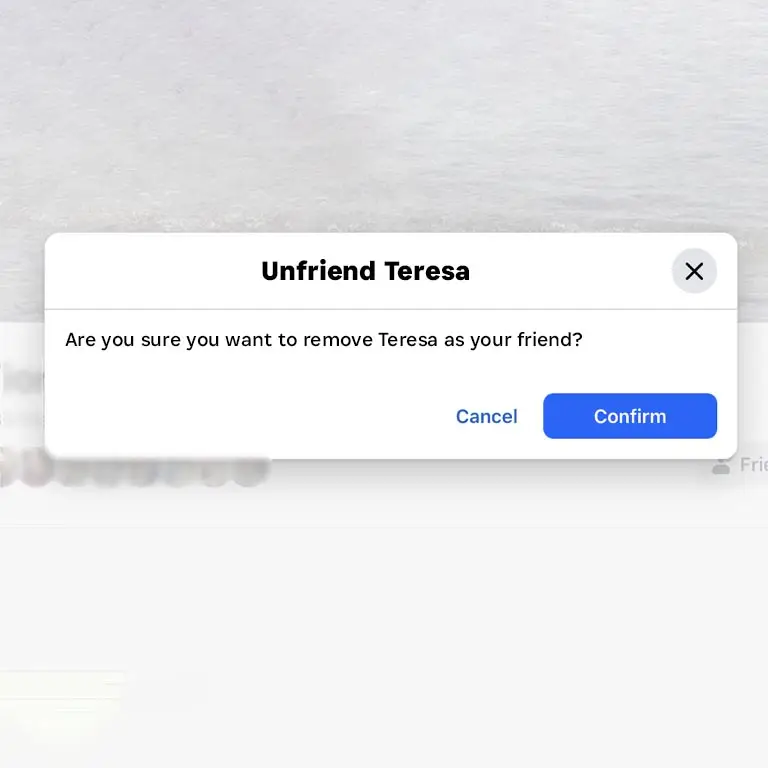
Unfriending never happens by accident. Facebook asks for confirmation. A person has to click through, think, and then press confirm. That choice carries weight. It wasn’t a slip of the finger. They chose it, and I carry the weight of that choice each time.
The Science Behind the Hurt
Psychologists call this social exclusion — rejection that mirrors real-life ostracism. Researchers found that being unfriended on Facebook can trigger emotional pain, rumination, and lowered self-esteem, especially when the person unfriended believed the other cared or offered support (Computers in Human Behavior, 2012). My mind doesn’t exaggerate this hurt. I feel it because rejection always carries pain.
Pain I’ve Learned to Expect
Rejection shows up in my life again and again. I’ve grown used to it, almost expecting it, but that doesn’t mean it hurts less. Every new removal reopens the wound. And in those moments, I circle the same thought: Why risk trust at all, if someone can withdraw it so easily?
When Social Media Rejection Follows You Offline
What makes it worse is seeing that person face-to-face afterwards. The rejection doesn’t stay behind the screen. It follows me into the room, heavy and silent.
I want to ask why, but embarrassment and shame clamp down on my words. I shrink in their presence, exposed, and somehow “less than.” Instead of connection, I face a gulf. Instead of support, I meet silence. And that silence deafens me.
Psychology research backs this too: studies show that social rejection activates the same brain regions as physical pain. That’s why I feel it as an ache in my chest, not just a fleeting thought. My body registers the rejection as harm.
More Than a Tick-Box: The Hidden Cost of Online Exclusion
Sometimes I wonder if people only engaged with me out of obligation, ticking the box of “supportive” with a quick like or comment. And when the removal comes, it confirms my fear: I was too much. I was never really welcome.
Experts call this disenfranchised grief — grief society doesn’t recognise because it doesn’t look like “real” loss. But it is loss. I lose trust. Connection slips away. Safety follows, and I carry that grief alone.
Why Social Media Rejection Cuts So Deep
People don’t realise you don’t have to be close to someone for this to sting. Platforms make us feel connected, so when someone removes me, it feels like a fracture in trust that echoes louder than they realise.
Psychologists describe the looking-glass self — how we form our self-image through the way others respond to us. On social media, when someone disappears, that absence reflects my worth back at me. In that moment, it confirms every fear I already live with: I’m unwanted. I’m too much. I’m a burden.
Closing Thoughts on Social Media and Mental Health
For someone with steady mental health, the weight of social media rejection might mean nothing. For me, it confirms my worst fears. It leaves me embarrassed for opening up, ashamed for trusting, and determined to retreat behind my walls where at least I feel safe — even if I’m alone.
This isn’t just pixels on a screen. Studies prove that social media rejection causes real pain. And I know it, because I feel it. The hurt stays real, the silence stays heavy, and the wound stays open long after.
This is the same kind of hidden pain I’ve tried to show in my “I’m Fine” project. On the surface everything looks ordinary, but underneath are the feelings people don’t want to see — the same feelings that rejection drags back to life.
F.A.Q
Does being unfriended on Facebook really hurt?
Yes. Studies show that social media rejection activates the same brain regions as physical pain. What might feel like “nothing” to someone with a steady mind can cut deeply for someone already struggling.
Why does unfriending feel worse when I’ve opened up about my mental health?
Because vulnerability is trust. When I share something raw, I hand someone my fragile truth. If they remove me afterwards, it feels like they threw that trust away — and that hurt lingers.
Do you have to be close to someone for their removal to sting?
No. Research shows that even “weak ties” — acquaintances or casual friends — matter on social media. Losing them still feels like rejection because connection, in any form, still matters.
Why does seeing the person in real life make it harder?
Because the rejection follows me offline. Face-to-face, shame and embarrassment silence me. Instead of clearing the air, the gulf grows deeper.
Is it normal to grieve being unfriended?
Absolutely. Psychologists call this disenfranchised grief — grief for losses society doesn’t recognise, like digital connections. Just because it isn’t spoken about doesn’t make the grief less real.
How can I cope when this happens?
I pull back into self-care before the spiral drags me under. Journaling, limiting screen time, or reaching out to someone safe can help. Being removed says more about the other person’s limits than about my worth.
Creative practices can help too. I’ve shared 3 simple therapeutic photography exercises that build mindfulness and help process emotions when words aren’t enough.
Mental Health Support (UK/Global)
- Mind UK – Mental health support
- Samaritans – Talk to someone now (24/7 free support)
- NHS – Mental health and wellbeing services
- Mental Health Foundation
Research & Evidence
- Study: Negative emotional responses to being unfriended on Facebook (Computers in Human Behavior)
- Psychology Today – Unfriended: How to Manage Online Rejection
- ScienceDaily – Facebook unfriending has real-life consequences
Blogs
Join Our Mailing list

©Teresa Lyle Media
Leave a Reply