Introduction
Therapeutic photography isn’t just about taking nice pictures — it’s a set of therapeutic photography exercises that build mindfulness, reflection, and emotional awareness. Unlike formal art therapy, this practice is self-led, so anyone with a phone can begin. Moreover, research shows creative routines can reduce stress and improve mood by giving you a safe way to explore feelings and experiences (Gaggioli et al., 2017; Jersild, 2013).
Free resource: Download the A4 Starter Kit – Therapeutic Photography Exercises (5 prompts) to go deeper.
Whether you’re in Derry-Londonderry, Belfast, Dublin, Scotland, or England, these exercises can slot into everyday life and, importantly, build momentum week by week.
1) Self-Portrait Journaling (a core therapeutic photography exercise)

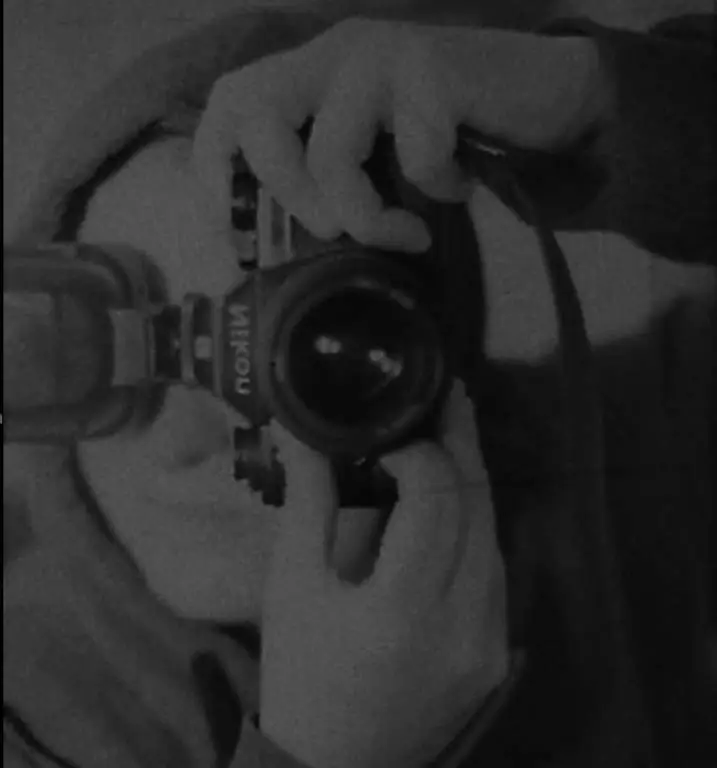
Self-portraiture puts you face-to-face with yourself. This isn’t about social selfies; instead, it’s about pairing an image with reflection so you can notice patterns over time.
How to practice:
- Once a week, take a self-portrait — your face, hands, silhouette, or a reflection.
- Then write a short journal entry about your mood, thoughts, or what the image communicates.
- Finally, review your portraits monthly to spot shifts.
Why it helps:
Seeing yourself visually, consistently, helps track mental health and build self-compassion (Weiser, 2010). As a result, this therapeutic photography exercise turns vague feelings into a visible narrative.
2) Emotions in Focus (turn feelings into visuals)

Emotions can be hard to articulate; however, images translate them fast.
How to practice:
- Choose one emotion — loneliness, calm, joy, anxiety, or hope.
- Next, capture scenes, textures, or spaces that represent it.
- Afterwards, reflect: Does this image express how I feel? What surprised me?
Why it helps:
By externalising emotions, you reduce rumination and improve regulation (Burton, 2014). In other words, this therapeutic photography exercise gives language to things that are tough to say out loud.
3) Gratitude Walks (mindfulness with the lens)

Gratitude is one of the easiest routes to resilience; plus, it’s free.
How to practice:
- Take a short solo walk — in your neighbourhood, a park, or even at home.
- Photograph three things you’re grateful for — colour, texture, memory, or detail.
- At week’s end, review the set and note mood shifts.
Why it helps:
Mindful photography exercises slows you down and anchors attention to the present. Consequently, gratitude routines improve mood and resilience (Emmons & McCullough, 2003). Together, these exercises train your eye toward appreciation rather than absence.

Why Therapeutic Photography Works
Art therapy involves a trained therapist rather by contrast, are self-directed. Because of that, anyone can start today with intention and attention no perfection required.
These practices draw on proven ideas:
- Empowerment: Gain confidence through creative control. A 2013 Journal of Applied Arts & Health study reported greater emotional awareness, self-expression, and confidence in participants who engaged in therapeutic photography exercises.
- Mindfulness: Stay with the moment through observation.
- Narrative identity: Create visual records of growth over time.
- Externalisation: Make emotions visible to process them.
Closing Thoughts
Every click becomes reflection. Used regularly, these therapeutic photography exercises self-portrait journaling, emotions in focus, and gratitude walks convert solitude into growth. Try one today, then add another next week.
Read More – Choosing My Own Company: Recovery Through Solitude
More Resources
- Download Free A4 Printable – Therapeutic Photography Starter Kit
- Read about digital rejection – Social Media Rejection & Mental Health
References Therapeutic Photography
- Emmons, R. A., & McCullough, M. E. (2003).
- Counting blessings versus burdens: An experimental investigation of gratitude. Journal of Personality and Social Psychology.
- PubMed entry: Counting Blessings Versus Burdens
- ResearchGate Preview: Counting Blessings Versus Burdens
- Gaggioli, A., et al. (2017). Arts and health: The role of arts-based practices in mental health. Frontiers in Psychology.
- Weiser, J. (2010). PhotoTherapy Techniques: Exploring the Secrets of Personal Snapshots and Family Albums.
- Burton, C. M. (2014). Expressive writing and emotional regulation: Reducing rumination. Journal of Clinical Psychology.
- Jersild, A. T. (2013). Self-reflection and emotional processing through art. Journal of Applied Arts & Health.
F.A.Q – Therapeutic Photography
Q. How often should I practice therapeutic photography?
A. Even 10–15 minutes a few times per week can support mindfulness and emotional regulation.
Q. Do I need professional equipment?
A. Not at all therapeutic photography works with any smartphone or digital camera.
Q. Can it reduce loneliness?
A.Yes research during the pandemic showed creative practices like photography help people feel more connected and grounded.
More Blogs
Join Our Mailing list

©Teresa Lyle Media
Leave a Reply