Estimated reading time: 5 minutes
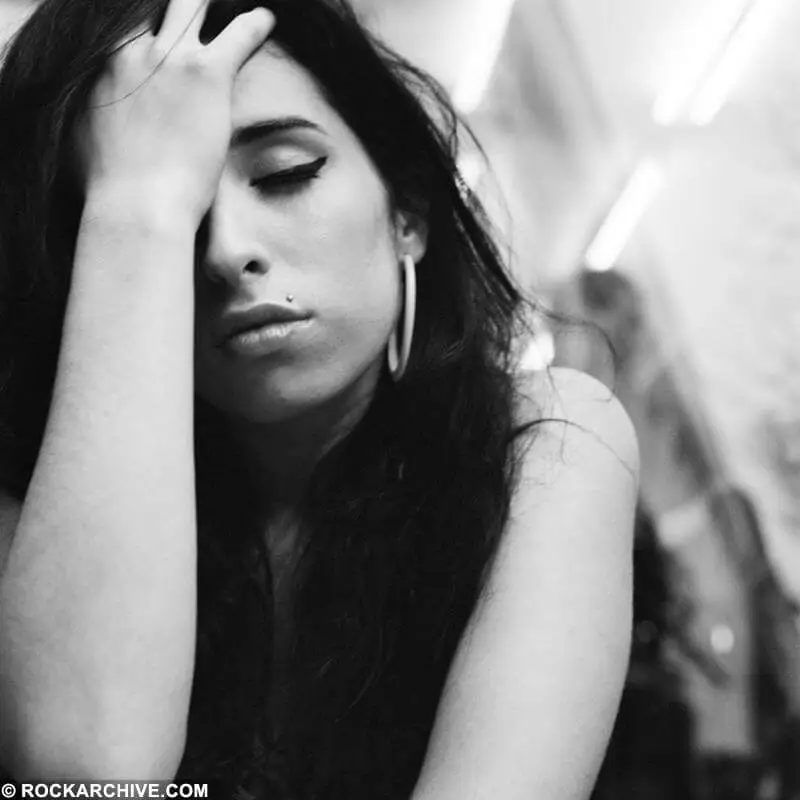
(A photographer’s reflection not a diagnosis) This is the essence of the In the Psychiatrist’s Chair photography series.
A note before you read:
I’m a photographer with over 12 years behind the camera. I’m not a mental health professional, therapist, or clinician. What follows is a reflection on art-making how some artists use music and lyrics, and how I use the camera and its lens. This is observation, not diagnosis.

Edition: Jake Chessum Limited Editions.
A Voice of Pain
In the Psychiatrist’s Chair photography series looks at how artists externalise pain through creative practice.
Amy Winehouse didn’t write songs to explain herself, I don’t think. She wrote them to stay alive inside the moment. Her lyrics don’t ask for sympathy — they document the fight, the struggle. There’s no tidy arc, no redemption bow at the end. Her craft demonstrated raw honesty, delivered in its most powerful form.
That’s what pulls me in! Not the mythology, but the method. This tension between expression and exposure is central to the In the Psychiatrist’s Chair photography series, where art becomes a place of containment rather than cure.
When I listen to her music, I hear someone using sound the way I use a camera: not to heal in a clean, Instagrammable way, but to hold chaos still just long enough to face it.
Addiction & Mental Health in the In the Psychiatrist’s Chair Photography Series
Amy struggled with alcohol, drugs, and eating disorders, all intertwined with mental health struggles. Reports suggest she experienced depression and possibly bipolar tendencies, but never received sustained, adequate care.
- Her refusal of rehab (famously immortalised in song) wasn’t just defiance — it was ambivalence, fear, and exhaustion.
- Friends and family described cycles of recovery attempts followed by relapse, worsened by public scrutiny.
Music as Therapy & Exposure in the In the Psychiatrist’s Chair Series
For Amy, songwriting was therapy:
- Albums like Back to Black are diaries of heartbreak, dependency, and pain.
- Her stage performances carried the weight of her unfiltered reality.
But therapy became exposure. Every concert, interview, and tabloid headline dissected her addiction. Unlike private therapy, her healing was always on display, and often ridiculed.
Lyrics vs Lens: Same Tool, Different Medium
Winehouse used:
- Lyrics to say what couldn’t be said out loud
- Repetition to circle pain instead of escaping it
- Performance to make vulnerability unavoidable
I use:
- Framing to decide what gets seen and what stays out
- Distance to avoid romanticising the subject
- Stillness to force confrontation, not catharsis
Her songs don’t resolve.
My images don’t either.
That’s intentional.
Why This Belongs in the In the Psychiatrist’s Chair Photography Series
This series isn’t about diagnosing artists. It’s about imagining the room where the truth gets spoken the space where performance drops and honesty leaks out sideways.
With Winehouse, that chair feels heavy. Not because of tragedy but because of how aware she was.
Listening to her work feels like sitting across from someone who already knows the questions, but keeps talking anyway. That’s powerful. And it’s familiar.
When I photograph, I sit in that same chair except the camera listens instead of a person. This studio image sits within the In the Psychiatrist’s Chair photography series, using the body and the chair as visual language rather than metaphor or diagnosis.

Key Takeaways
- The Psychiatrist’s Chair Photography Series explores how artists express pain through their work, using Amy Winehouse as a key example.
- Winehouse’s music served as a form of therapy, revealing her struggles with addiction and mental health while often being publicly scrutinised.
- The series emphasizes that art does not heal but creates a space for containment and confrontation of uncomfortable emotions.
- The photographer draws parallels between photography and songwriting, both serving to express internal chaos without promising resolution.
- Ultimately, the Psychiatrist’s Chair Photography Series presents art as a practice for staying present with pain, not a means of salvation.
My Camera Is My Language
Where Winehouse had melody and lyric, I have:
- Shutter speed
- Grain
- Negative space
- The refusal to over-explain
The lens becomes the place I put what I can’t carry internally anymore. Not to get rid of it…but to see it clearly.
The Myth of “Healing”
Art doesn’t fix people.
It doesn’t cure addiction.
It doesn’t replace care, support, or intervention.
But here’s what it does do and this matters:
- It creates containment
- It turns internal noise into something external
- It gives form to experiences that don’t co-operate with language
Winehouse didn’t sing to heal. She sang to survive the day she was in. I don’t photograph to heal either. I photograph to stay present with what’s uncomfortable instead of dissociating from it.
That’s not a miracle…It’s a practice.
F.A.Q
What mental health issues did Amy Winehouse have?
She experienced depression, eating disorders, and struggles with alcohol and drug addiction.
Did Amy Winehouse go to therapy?
She attended treatment and rehab attempts, but often resisted or withdrew.
How did addiction affect Amy’s art?
It fueled her songwriting with raw emotion but also made performance a painful, retraumatising act.
References
- Winehouse, M. (2014). Amy: My Daughter. HarperCollins.
- Asif Kapadia (2015). Amy — Documentary film.
- The Guardian (2011). Amy Winehouse Obituary: The Cost of Brilliance.
Other Blogs
Join Our Mailing list
Enter your email below to receive updates.

©️Teresa Lyle Media
Leave a Reply